
The current engagement
California Central Valley
An ag-services business consolidating its stack while integrating the operations it grew by combining. The anonymized record is in Field Notes.
Field NotesAlleviated Risk works with mid-sized ag operations and ag-services businesses whose information grew the way most operations’ did: one system for the plan, another for what actually went out, a third for what got billed. We put them in one place, so the three finally agree.
The first call is a conversation about your systems. Nothing to prepare.
A business grows by combining several operations. The org chart merges in ninety days. The ledger takes eighteen months. Everybody budgets for the first number. Nobody budgets for the second.
In that gap, the owner asks what ought to be a fifteen-second question. “How much have we spent on that ranch to date?” And the honest answer comes back: “Give me until Thursday.” Not because anyone is hiding anything. Because the plan lives in the agronomy platform, what went out lives in a tracker somebody maintains by hand, what got billed lives in the ERP, and those three were never introduced. Nobody’s lying. The systems were just never built to agree.
You don’t buy one version of the truth. You reconcile your way to it.
No product on the market makes three systems agree, because agreement isn’t a feature. It’s a decision about which number wins, made once, written down, and held to all season. That decision is the work, and it’s the part nobody sells you.
First, one version of the truth. We consolidate what you already run into a single place, so proposed, applied, and billed line up by ranch, field, and block. The test isn’t whether it looks good on a screen. It’s whether the guys in the field and the people writing the checks quote the same number without calling each other first.
Second, integration discipline. When businesses combine, the deal is rarely the risk. The risk is the eighteen months after, when two of everything quietly bleeds the value the deal was supposed to capture. We make the combined operation actually run as one: same processes, same reporting, same numbers everywhere.
We won’t tell you the sensors will be accurate. Anyone who has ordered against a tank reading that turned out to be wrong already knows better, and it is an expensive way to learn. We won’t tell you the operation ends up running itself, because it doesn’t, and the people who say it does have never had to call a field before a truck rolls.
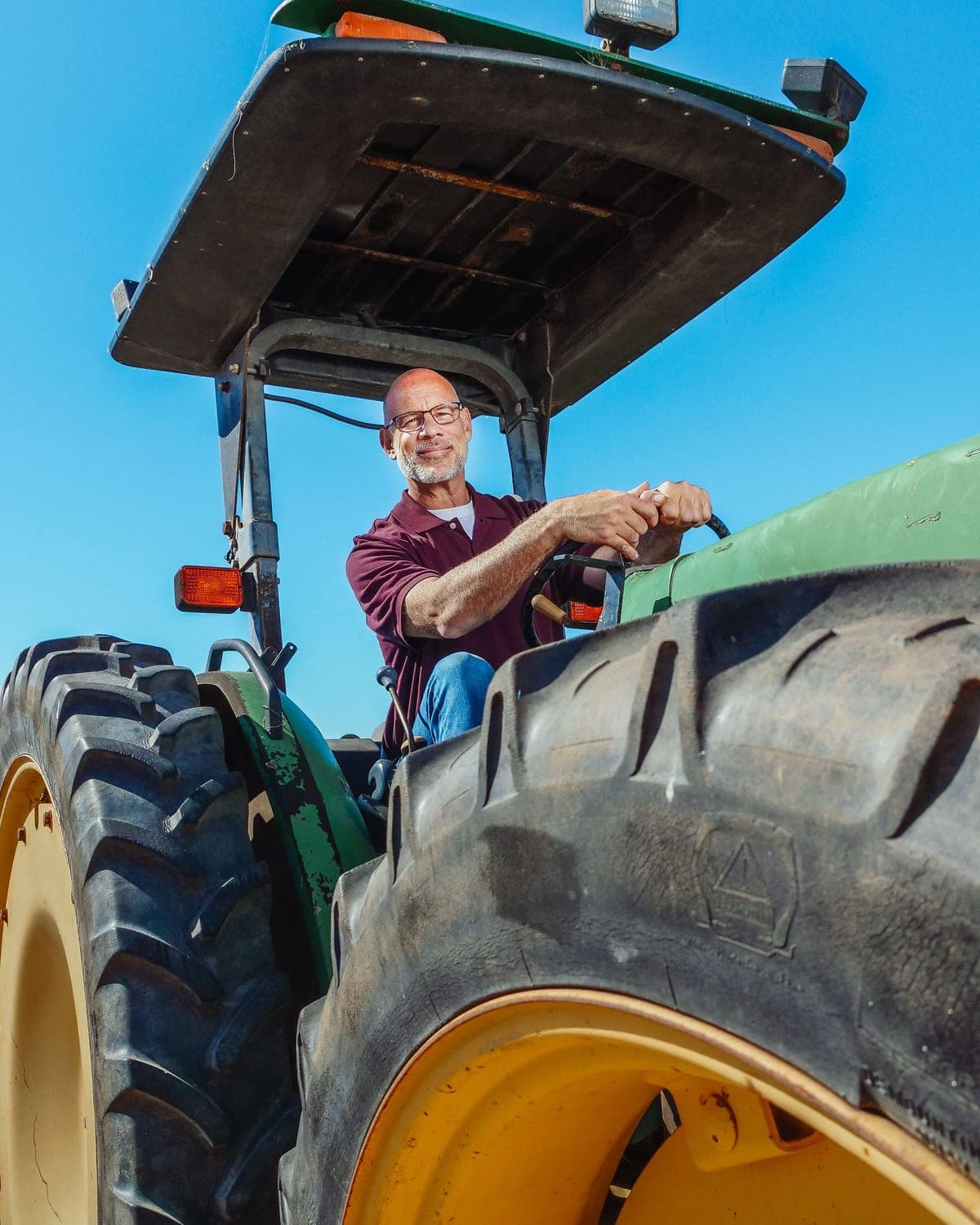
The software is the vehicle. Your people are the drivers: the ranch managers, the field supervisors, the person who makes that call. What we will promise is narrower and more useful. You will be able to track it, prove it, and stop doing notepaper math in the truck.
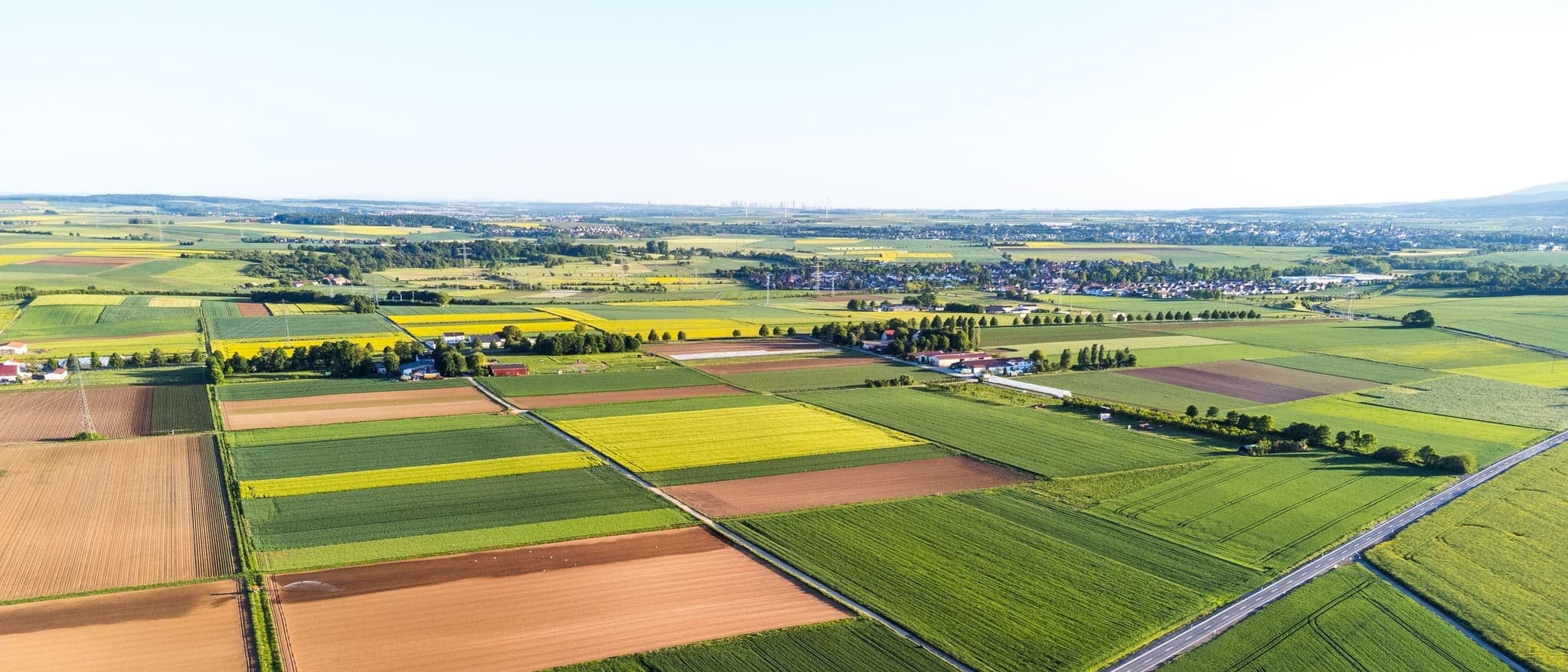
None of this is a theory about agriculture. It is the same wall oil and gas hit with engineering cost, utilities hit with billing, and crop inputs hit with grower rebates, and the same discipline got each of them through it. Since September 2025 the current engagement has been a California Central Valley ag-services business consolidating its stack while integrating the operations it grew by combining.
The anonymized version of that engagement is in Field Notes. The thirty-year record behind the practice is on the About page.
Alleviated Risk works with mid-sized agricultural operations and the businesses that serve them. The work is not tied to one crop or one state. The current engagement is a California Central Valley ag-services business consolidating its systems while integrating the operations it grew by combining. Our second program, opening in 2026, is Florida permanent crops: citrus first, alongside blueberries and other tree and bush crops.
The current engagement
An ag-services business consolidating its stack while integrating the operations it grew by combining. The anonymized record is in Field Notes.
Field NotesOur second program, opening 2026
Citrus first, alongside blueberries and other tree and bush crops. The program page names the operators, the triggers, and the record they have to produce.
Florida permanent cropsHere is the verdict. 79% of rented acres are held by people who don’t operate them, and the people deciding whether an operation keeps its ground have mostly never driven it. They can’t see the work. They can only see what you can show them. An operation that can show a clean record, proposed vs. applied vs. billed, year over year, walks into that conversation stronger than one that can’t.
No pitch on the first call. Happy to walk you through what we would look at.
Start a conversation